Why procurement is a key success factor in any construction project
Senior Manager Content Marketing at Medius
In most sectors, procurement refers to the process of sourcing products or services. Specifically, procurement in construction means labor and material buying – it’s the allocation of design and construction work and the choice of components that go into the building. Maintaining control of the procurement process is vital work involves multiple stakeholders, such as input from site and project managers, and can significantly impact the outcome of any construction project.
Procurement in construction is not easy. Working with a complex and opaque supply chain, procurement professionals must source high-quality products and services with a specific budget, and simultaneously comply with regulatory guidelines. Accuracy, timeliness, and quality of procurement are, therefore, important in the construction sector.

In fact, 87% of construction professionals believe that good procurement is synonymous with a successful project (The Chartered Institute of Building). And we at Medius believe successful construction procurement relies on industry knowledge, experience, and the right technology - especially with the supplier challenges the construction industry faces post-COVID-19.
Why procurement now determines project success more than ever
Today’s construction environment has amplified the impact of procurement decisions. Post-COVID supply chain disruption, volatile material pricing, labor shortages, and increasing compliance requirements mean procurement is not only about buying; it directly affects project timelines, margins, and risk exposure.
For modern construction organizations, procurement has become a strategic control point that influences whether projects stay on schedule, remain profitable, and meet contractual and regulatory obligations.
From manual processes to a digital foundation
Procurement is the start of your project cycle, but your P2P process is what keeps it profitable. Use our step-by-step blueprint to transition your construction firm to a fully automated, end-to-end digital workflow.

Finding the right suppliers
Quality of suppliers is essential, as it’s all about getting the right person to do the job. However, due to the size of projects - especially construction firms that work with multiple sites - the pool of suppliers that a construction company work with can be massive, meaning that it can be challenging to deal with quality control.
With the right technology, such as a best-of-breed supplier information management system, you can put the onus onto the suppliers by allowing them to self-serve everything – from registration to account maintenance. Instead of using your valuable time to manage your suppliers, you can ensure that all your supplier information in your database is already accurate and up to date.
In addition, because suppliers have to submit and renew proof of mandatory certifications, you will only trade with suppliers that are up to your standards.
Supplier quality as a risk and compliance control
Beyond performance and cost, supplier selection now plays a critical role in managing compliance and financial risk. Inconsistent supplier data, expired certifications, or incomplete documentation can delay payments, trigger disputes, or expose projects to regulatory penalties. Centralized supplier management helps procurement teams enforce standards consistently across sites and projects while reducing downstream issues for finance and AP teams.
Strategic sourcing
Procurement professionals need the knowledge and experience to source the best quality products and services available, procure on schedule, and stay within budget. Due to the amount of labor and material involved in construction projects, volume-leveraged pricing is crucial in construction procurement.
With a sourcing platform, you can reduce cycle time and cut evaluation time by up to 85%, allowing you to align your strategic sourcing activities with a project schedule. And thanks to a digital, transparent sourcing process, you can outreach much further and establish a large network of providers. An eSourcing system can help with the products and service evaluation process, and in some cases, the built-in geo-location functionality allows you to factor in any logistic consideration in transporting materials to the project site too.

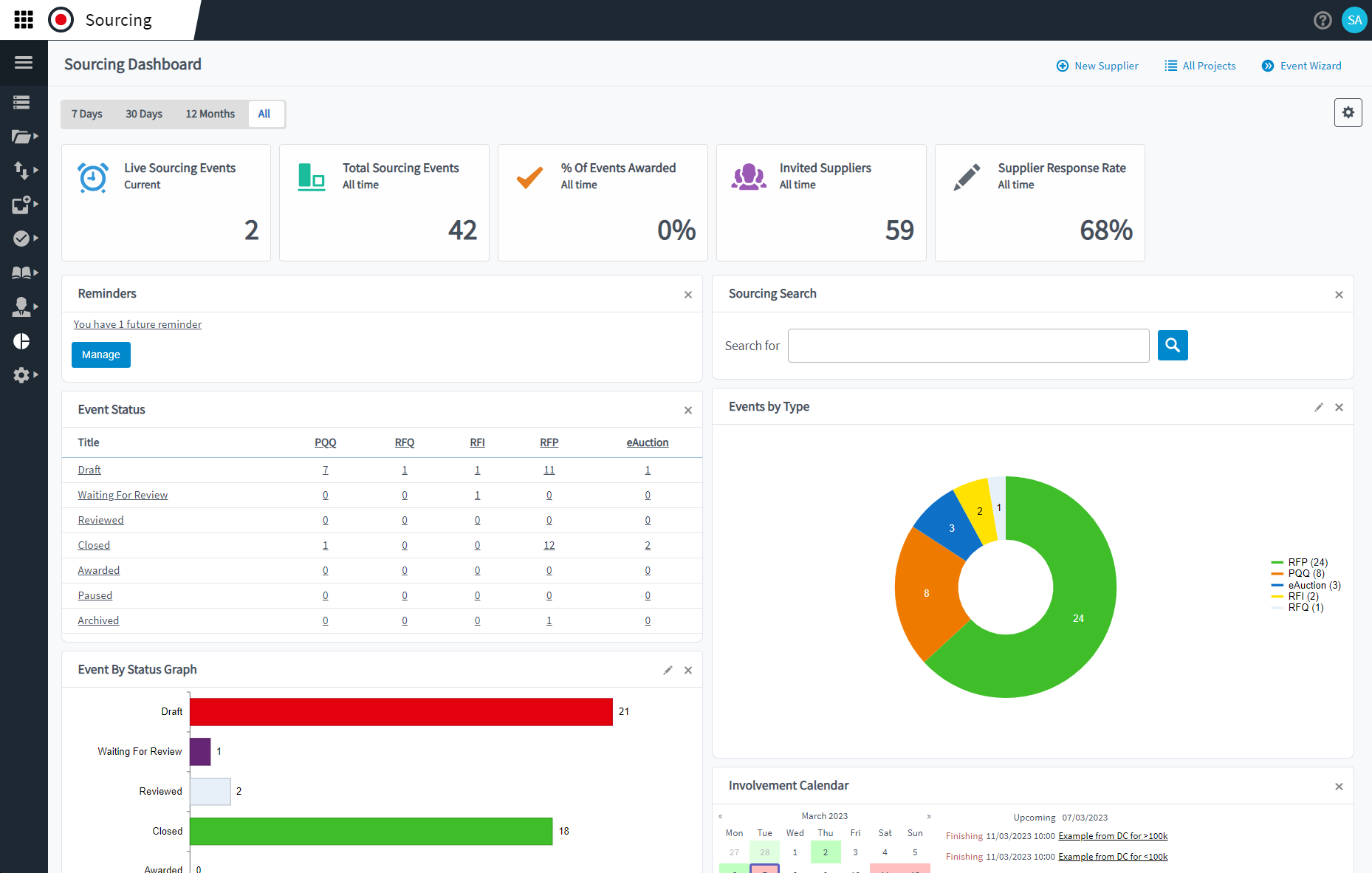
Medius has over ten years experience in helping construction organizations to achieve procurement excellence. Our fully integrated Medius for construction solution has helped many clients such as Skanska, Barratt and Murphy to manage supplier risk and performance, and gain visibility and control across the large and complex supply chain.
Close the gap between procurement and payment
Automation in procurement works best when it's backed by a digitally mature AP function. See how leading construction firms are identifying and eliminating the bottlenecks that threaten their margins.

Connecting sourcing decisions to cost control and execution
In construction, sourcing decisions don’t exist in isolation. Contract terms, delivery timelines, and pricing structures directly affect job cost accuracy and cash flow once invoices start arriving. Aligning sourcing with downstream processes, such as purchase orders, approvals, and invoice validation—helps organizations maintain tighter control as projects move from planning into execution.
FAQs
Procurement in construction is the process of sourcing labor, materials, and services needed to deliver a project. It includes supplier selection, contract allocation, pricing negotiation, and ensuring materials and services meet project, quality, and compliance requirements.
Procurement directly impacts project timelines, costs, and quality. Poor supplier selection, delayed sourcing, or weak contract control can lead to cost overruns, schedule delays, and compliance risks that affect the overall success of a construction project.
Common challenges include managing large supplier networks, fluctuating material prices, regulatory compliance, multi-site coordination, and ensuring supplier qualifications and documentation remain current throughout the project lifecycle.
Effective procurement helps control costs by securing competitive pricing, leveraging volume discounts, aligning sourcing with project schedules, and reducing rework or delays caused by supplier issues or material shortages.
Technology supports construction procurement by centralizing supplier data, enabling digital sourcing, enforcing compliance requirements, and improving visibility across projects. Digital tools help procurement teams manage complexity at scale and reduce manual effort.
Procurement plays a key role in compliance by ensuring suppliers meet regulatory, safety, and certification requirements. Maintaining accurate supplier records and documentation helps reduce legal, financial, and operational risks across construction projects.


