Resetting AP operations after year-end
- Introduction
- What AP process shortcuts tend to linger after year end close
- Why post year end is the right moment to reset AP
- How AP teams can prioritize improvements without a full transformation
- Using invoice automation to eliminate manual carryover
- Stabilizing workflows with visibility and analytics
- Reinforcing controls without slowing the business
- How Medius supports an early year AP reset
- Establishing stronger AP execution early with Medius
- Frequently asked questions
The period immediately after year end close is one of the most revealing moments in the AP calendar. Temporary fixes that helped teams push through deadlines begin to collide with normal invoice volumes, exposing inefficiencies that were easy to overlook during close. For finance and AP leaders, this window creates a rare opportunity to reset operations before those issues become ingrained for the rest of the year.
In conversations with AP leaders, a consistent theme emerges. Shortcuts taken during close rarely disappear on their own. Manual steps, informal approvals, and offline tracking often persist into the new year, quietly increasing risk and operational drag. Teams that take time to reset AP early gain cleaner execution, stronger controls, and more predictable performance as activity ramps up.
What AP process shortcuts tend to linger after year end close
Year end pressure encourages speed over structure. Invoices are rushed through approvals, documentation gaps are temporarily tolerated, and exceptions are resolved manually to meet reporting deadlines. These decisions feel reasonable in the moment, but they often set new habits.
Common lingering shortcuts include manual invoice routing, email based approvals, and side spreadsheets used to track status. Over time, these workarounds undermine standard workflows and reduce visibility. AP teams may believe processes are back to normal, yet hidden inefficiencies remain embedded in daily operations.
Once volume increases, those shortcuts create friction. Invoices stall because ownership is unclear. Approvals slow because context is missing. Exceptions rise because validation steps were skipped. Resetting AP means identifying where these behaviors took hold and re-establishing consistent processes.

Why post year end is the right moment to reset AP
The weeks following close offer clarity that is difficult to achieve later in the year. Backlogs are visible, approval aging is measurable, and exception patterns are easier to trace. Finance leaders can see where workflows break down without the noise of peak volume.
This timing also matters from a change perspective. Teams are already shifting focus from close activities to forward looking priorities. Small adjustments feel manageable, while the cost of inaction is easier to demonstrate. Resetting AP early avoids the need for disruptive changes later when issues have compounded.
Importantly, a reset does not require a full transformation project. Many AP leaders focus on stabilizing the core workflow, reinforcing controls, and removing manual dependencies before expanding automation further.
How AP teams can prioritize improvements without a full transformation
Effective AP resets start with prioritization. Leaders assess which issues create the most friction today and which pose the greatest risk as volume increases. This often includes approval delays, inconsistent routing rules, and recurring exceptions tied to data quality.
Rather than redesigning everything, teams standardize what already works. Approval paths are clarified. Tolerances are documented. Ownership is reinforced across departments. These changes create immediate improvement while laying the groundwork for broader automation.
This is where AP automation plays a critical role. By enforcing consistent workflows and capturing data centrally, automation removes reliance on individual effort. Teams can correct gaps incrementally without disrupting daily operations.
Using invoice automation to eliminate manual carryover
Invoice automation helps teams reset at the very start of the process. Accurate capture and validation reduce exceptions caused by missing or incorrect data. Invoices enter workflows cleanly, making downstream approvals faster and more consistent.
For AP leaders, this shift is immediate. Instead of chasing information, teams focus on true exceptions that require judgment. Manual carryover from year end declines, and processing stabilizes as volume increases.

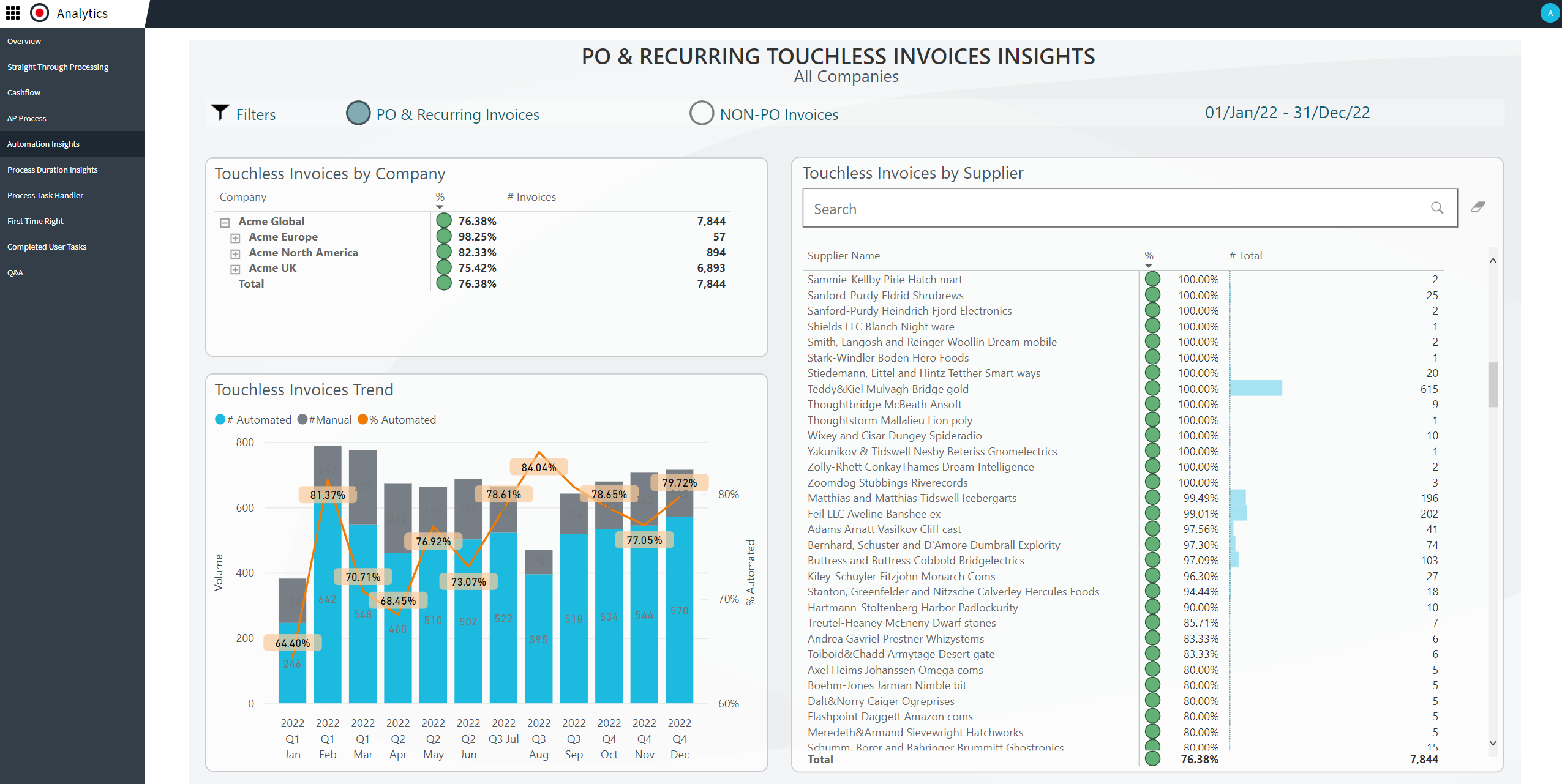
Invoice automation also supports better supplier interactions. Fewer rejections and clearer status updates reduce duplicate submissions and follow up inquiries, further easing operational strain early in the year.

Real-world results: Elevating supplier satisfaction at scale
Automation is the first step toward better vendor relations, but AI provides the precision needed to maintain them in the long term. See how one of North America’s largest metal processors used Medius Supplier Conversations to create a more responsive and reliable AP function.
Stabilizing workflows with visibility and analytics
Visibility is essential to a successful reset. Without it, teams rely on anecdotal feedback and reactive fixes. With centralized data, leaders see where invoices sit, how long approvals take, and which steps create bottlenecks.
Analytics provide the insight needed to prioritize action. Approval aging highlights accountability gaps. Exception trends reveal upstream issues. Workload distribution shows where capacity constraints exist. These insights help teams make targeted improvements instead of broad changes.
For finance leaders, this visibility builds confidence. AP performance becomes measurable and predictable, supporting more accurate cash flow planning and reporting throughout the year.
Reinforcing controls without slowing the business
Controls often weaken during close as speed becomes the priority. Resetting AP means restoring governance without reintroducing friction. Automation allows teams to embed controls directly into workflows, reducing risk while maintaining efficiency.
Role based approvals, consistent validation, and automated audit trails strengthen oversight. AI innovation further supports this effort by identifying anomalies and patterns that signal risk, allowing teams to intervene early without manual review.
These capabilities help AP operate with discipline even as volumes rise. Controls become part of the process, not an extra step added under pressure.
Empower your team with a proactive defense
Year-end close is the ultimate stress test for your finance controls. Move beyond reactive fixes and equip your team with a framework designed to catch errors and prevent fraud automatically, ensuring a clean audit and a smoother transition into the new fiscal year.

How Medius supports an early year AP reset
Medius helps finance and AP leaders reset operations quickly and sustainably. By providing real time visibility into invoice backlogs, approval aging, and workflow performance, Medius highlights where processes break down after year end.
Structured automation standardizes workflows without disrupting daily activity. Teams reinforce approval rules, reduce manual steps, and improve consistency across departments. ERP integration ensures these improvements align with existing financial systems, preserving accuracy and control.
As a result, AP becomes more resilient. Early year issues are addressed before they repeat, and teams enter the rest of the year with cleaner execution and stronger confidence in their processes.
Establishing stronger AP execution early with Medius
The period after year end close gives finance teams a clear view into how AP actually operates under pressure. Issues that surface during this time highlight where workflows lack consistency and where controls need reinforcement before volumes increase further.
Medius helps teams act on those signals quickly. By bringing invoice activity, approvals, and exceptions into a single, visible workflow, Medius makes it easier to standardize processes and remove manual dependencies without disrupting day to day operations. Controls are reinforced through automation, not added effort.
The result is an AP function that enters the year with clearer accountability, steadier execution, and fewer downstream interruptions. Book a demo today and learn how Medius helps finance teams reset AP operations early and keep performance on track as the year unfolds.

Frequently asked questions
AP process shortcuts that often linger include manual invoice routing, email based approvals, skipped validation steps, and offline tracking spreadsheets. These workarounds are common during close and can quietly persist into the new year, creating inefficiency and risk.
The post year end period provides clear visibility into backlogs, approval delays, and exceptions before invoice volumes fully ramp up. This makes it easier for finance teams to identify breakdowns and correct them early.
AP teams can focus on stabilizing core workflows by standardizing approvals, reducing manual steps, and reinforcing ownership. Small, targeted changes early in the year often prevent larger issues later.
AP automation helps teams enforce consistent workflows, improve visibility, and reduce reliance on manual work. This allows teams to correct gaps quickly without disrupting daily operations.
Invoice automation improves data accuracy at intake and reduces avoidable exceptions. This helps AP teams focus on true issues instead of rework caused by missing or incorrect information.
Analytics give finance leaders insight into approval aging, exception trends, and workflow bottlenecks. These signals help teams prioritize fixes and establish more predictable AP performance.
Medius provides real time visibility, structured automation, and embedded controls that help teams stabilize AP early. This foundation supports cleaner execution and more consistent performance throughout the year.


