The real cost of ignoring supplier data quality in AP automation
- Introduction
- Why supplier data quality underpins every AP process
- The financial costs of ignoring supplier data
- How much is bad supplier data costing your business?
- The operational toll: how bad data slows automation
- Compliance and risk implications of inaccurate supplier data
- The strategic cost: flawed data, flawed decisions
- How Medius delivers cleaner, smarter supplier data
- A practical roadmap for improving supplier data quality
- Building a foundation for smarter, safer automation
- FAQs: Supplier data quality in AP automation
Hear what's covered in this article:
Automation has become essential for modern accounts payable (AP) operations. It eliminates repetitive tasks, accelerates invoice processing, and gives finance teams more visibility into spend and cash flow. But even with automation, many organizations struggle with the same old problems: failed payments, vendor disputes, and audit red flags.
The culprit? Poor supplier data.
When bank details are outdated, tax IDs are incorrect, or supplier records are duplicated across systems, even the smartest automation cannot perform as intended. The technology executes based on what it knows, and if what it knows is wrong, the damage compounds across every workflow.
This article explores why supplier data quality is the unsung foundation of AP success, how bad data quietly drains millions in operational and financial costs, and how Medius helps organizations protect automation investments through clean, verified, and continuously updated supplier data.
Why supplier data quality underpins every AP process
Every automated workflow, from invoice matching to payment approval, depends on accurate supplier data. Think of supplier records as the DNA of your AP ecosystem. They define how money moves, who gets paid, and how transactions are validated.
When supplier data is inaccurate, the impact spreads far beyond AP. It touches procurement, finance, compliance, and even supplier relationships. A single error in a vendor profile can cause multiple downstream issues, such as:
Payment failures due to incorrect bank details
Duplicate or late payments from mismatched vendor records
Invoice exceptions triggered by inconsistent supplier naming conventions
Compliance risks tied to missing tax identification numbers or addresses
Automation cannot correct data errors. It multiplies them. Without clean supplier data, automation simply accelerates mistakes.
The financial costs of ignoring supplier data
At first glance, supplier data errors might seem like small administrative issues. But over time, they accumulate into serious financial consequences.
When supplier data is outdated or incomplete, companies miss out on early payment discounts and dynamic discounting programs. These discounts can improve cash flow and strengthen supplier partnerships, but only if payments are processed accurately and on time.
Duplicate vendor entries are among the most expensive forms of data pollution. Without regular cleansing and validation, organizations may pay the same invoice twice or fail to spot overbilling.
Inaccurate supplier data makes fraud detection harder. Fraudsters often exploit gaps in vendor databases to reroute payments or submit fake invoices that match inactive supplier profiles.
Each error comes with a hidden administrative cost. Reconciling accounts, chasing suppliers for corrected details, or handling payment reversals consumes time and money that could be spent on higher-value tasks.

The operational toll: how bad data slows automation
Poor supplier data does not just hurt the bottom line. It erodes the operational efficiency that automation promises.
Manual corrections return
Automation should free AP teams from repetitive data entry. But when supplier data is unreliable, staff spend hours correcting records, resubmitting payments, or resolving exceptions that should not exist in the first place.
Exception rates increase
A clean, automated workflow might have a 5 percent exception rate. With inconsistent supplier data, that number can easily exceed 20 percent, negating most of the efficiency gained through automation.
Delayed reporting and forecasting
If supplier information is inaccurate, financial reports and spend forecasts become unreliable. AP teams must double-check transactions and reconcile discrepancies manually, delaying monthly closes and year-end reporting.
Supplier relationship strain
Late or incorrect payments caused by data issues can frustrate suppliers, leading to unnecessary tension and reduced willingness to collaborate on strategic initiatives.
A well-automated AP process built on poor supplier data is like a high-speed train running on broken tracks. Fast, but always off course.
Your guide to smarter KPIs and better decisions
Manual reporting limits what finance can see—and slows how fast you can act. Your Guide to Transforming Reporting with AI-Driven Automation shows how modern analytics can give finance leaders real-time visibility into AP performance, uncover risks, and turn raw data into confident decisions.

Compliance and risk implications of inaccurate supplier data
Compliance leaders increasingly recognize supplier data quality as a control risk.
In regulated industries, inaccurate or incomplete supplier data can trigger serious compliance violations, including:
- Tax reporting errors when supplier IDs or jurisdictions are wrong
- Anti-money laundering (AML) gaps when supplier verification is not maintained
- GDPR or data privacy breaches from mishandled vendor information
Beyond fines, the lack of traceability and audit readiness can erode trust with regulators, auditors, and investors.
A growing audit challenge
Auditors expect transparent, traceable supplier data that aligns across systems. Discrepancies between AP, procurement, and ERP data raise red flags and require time-consuming reconciliations.
Fraud risk amplification
Data gaps also create blind spots for fraud detection systems. For example, mismatched supplier names or inactive records make it harder for fraud algorithms to identify anomalies or suspicious behavior.
Clean, validated supplier data is not just an efficiency measure. It is a compliance safeguard.
The strategic cost: flawed data, flawed decisions
Automation and AI thrive on good data. When supplier data is poor, these systems produce unreliable insights.
- Spend analytics become skewed when duplicate vendors inflate supplier counts.
- Forecasting models underperform because of missing or delayed payment data.
- Procurement strategies suffer as inaccurate information hides true supplier performance or spend concentration.
Ultimately, flawed data leads to flawed decisions, from pricing negotiations to strategic sourcing.
How Medius delivers cleaner, smarter supplier data
Medius solves supplier data problems at the source by embedding intelligence and validation into every stage of the supplier lifecycle.
Automated supplier onboarding
New supplier details are captured and validated automatically through Medius onboarding workflows. This ensures accuracy from the very beginning, reducing setup errors and avoiding downstream issues.

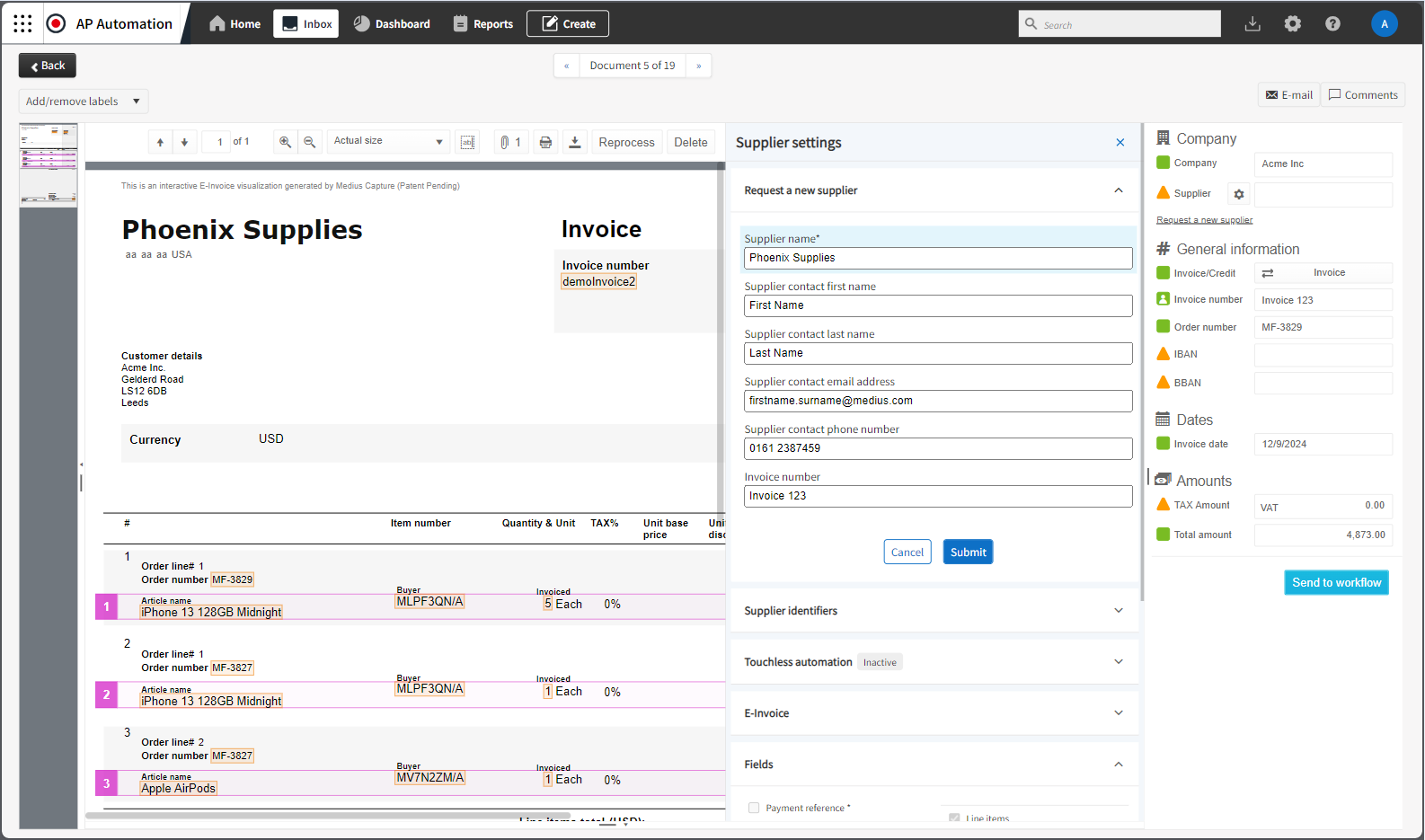
AI-powered validation and enrichment
Medius continuously checks supplier data for duplicates, missing fields, or inconsistencies. AI-powered logic cross-references external databases to verify information such as bank details, tax IDs, and addresses in real time.


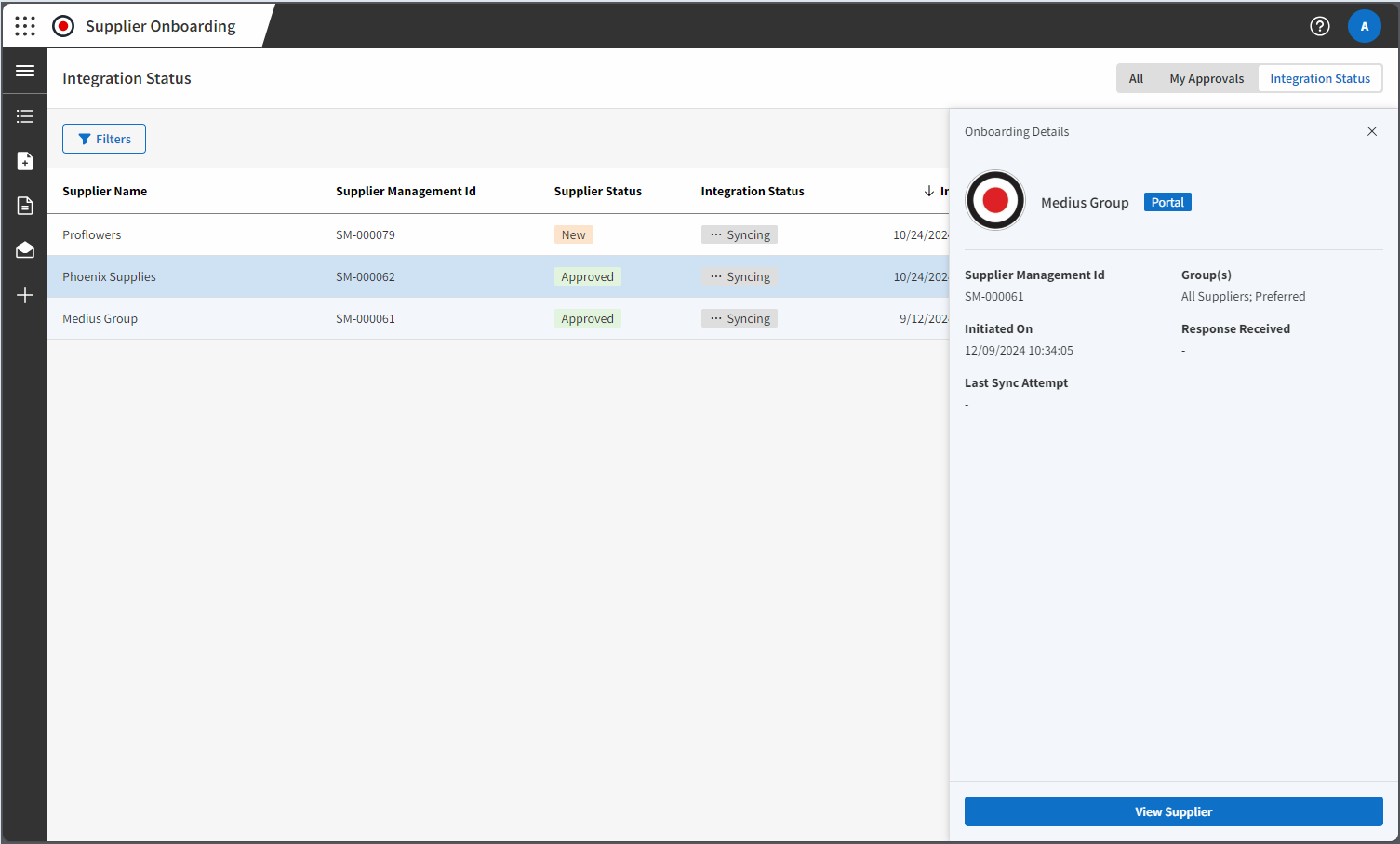
Real-time data synchronization
Supplier updates flow automatically across connected ERP and procurement systems. When a vendor changes their address or payment details, Medius ensures every record is instantly aligned.

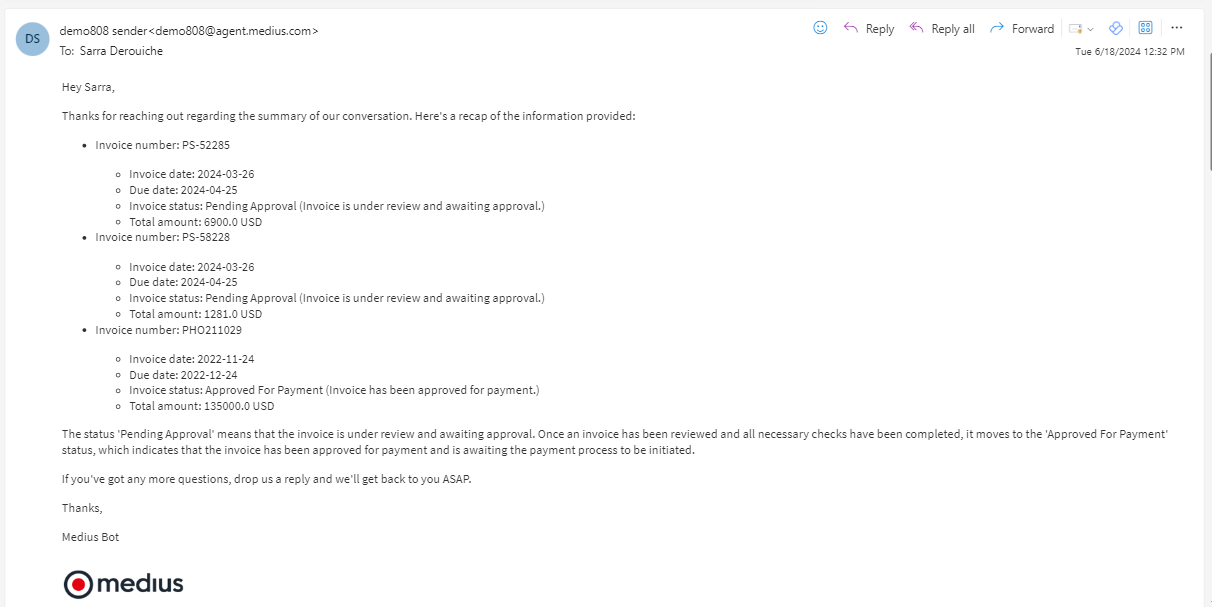
Embedded supplier collaboration
Through Medius Supplier Conversations, vendors can update and verify their information directly, maintaining accuracy without adding AP overhead.

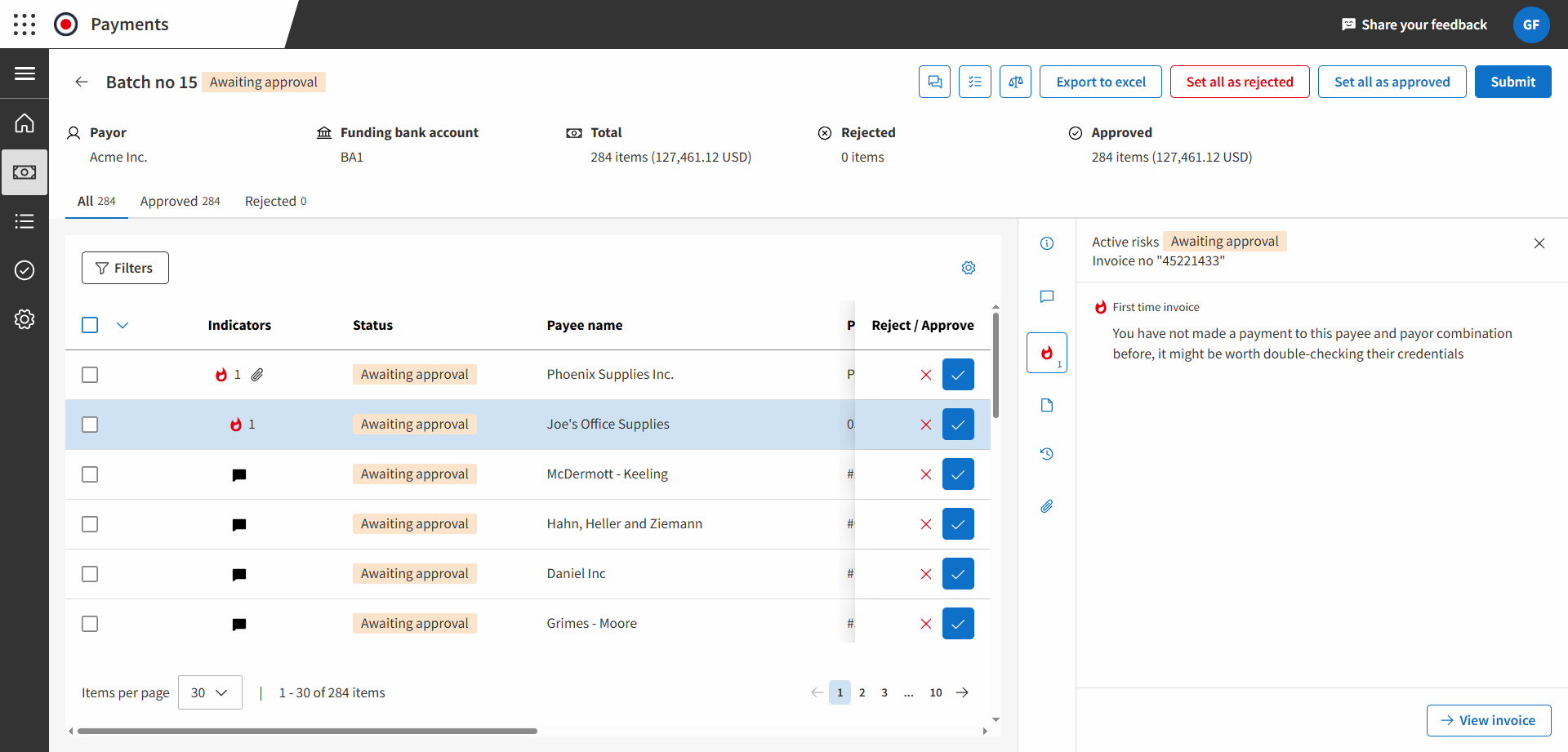
Secure payment controls
Medius Payments adds an additional layer of protection by validating payment instructions and monitoring for anomalies, preventing fraud before it happens.

A practical roadmap for improving supplier data quality
Organizations can take immediate steps to strengthen data quality within their AP automation environments.
Conduct a supplier data audit to identify duplicates, inactive vendors, and incomplete fields.
Standardize supplier intake processes to ensure new records are verified before being added.
Define ownership of supplier data maintenance and create regular review cadences.
Adopt tools that continuously monitor and refresh supplier records, eliminating stale or conflicting data.
Track key data quality metrics, such as the percentage of verified suppliers and exception rates in payment runs, to measure progress over time.
Data quality is not a one-time project. It is a continuous discipline that underpins long-term automation success.
Building a foundation for smarter, safer automation
Supplier data may not always be the most glamorous part of AP, but it is one of the most important. Without it, even the most advanced automation tools will fail to deliver reliable results.
By prioritizing data quality and investing in systems like Medius that automate validation, updates, and supplier communication, organizations can:
Reduce fraud and payment errors
Capture more early payment discounts
Improve supplier satisfaction and trust
Strengthen compliance and audit readiness
Unlock true end-to-end automation efficiency
Clean supplier data does not just improve AP performance; it strengthens the entire financial ecosystem.

A clean supplier master is the foundation of modern finance: accurate, connected, and continuously improving.
FAQs: Supplier data quality
in AP automation
Accurate supplier data ensures that invoices, payments, and communications flow seamlessly through automation systems. It prevents manual rework, reduces exceptions, and maintains compliance.
Organizations often face duplicate records, incorrect banking details, missing tax IDs, and outdated addresses, all of which lead to delays and failed payments.
Fraudsters exploit weak or inaccurate supplier records to intercept payments or create false vendors. Continuous validation and payment controls minimize these risks.
Yes, but only when automation includes built-in data validation, enrichment, and feedback loops. Medius ensures supplier data is accurate and continuously maintained.
Medius automates supplier onboarding, validates data in real time, synchronizes updates across systems, and embeds fraud detection controls to ensure supplier data remains accurate, secure, and ready for automation.


