AP vs procurement software: where the systems should integrate
- Introduction
- Why AP and procurement systems often feel at odds
- Two approaches: separate systems vs. integrated platforms
- Where integration matters most
- Where separation still supports control
- Medius’s approach: Purposeful integration anchored in AP
- What to look for in a purposefully integrated AP platform
- A smarter way to integrate AP and procurement
- Frequently asked questions
In large enterprises, accounts payable (AP) and procurement software are often seen as two sides of the same spend management coin. But while these platforms are deeply connected, they serve distinct purposes. Without a clear strategy for how they work together, organizations risk duplicating work, creating blind spots in spend visibility, or losing control over financial processes.
Clear alignment between accounts payable and procurement systems is essential for scalable, efficient finance operations. When these tools are integrated with purpose and boundaries, enterprises gain better control, visibility, and collaboration without losing functional clarity. Medius supports an AP-anchored approach that ensures financial accuracy and auditability while enabling procurement to drive supplier value and upstream strategy.
Why AP and procurement systems often feel at odds
Despite their shared goal of managing enterprise spend, AP and procurement are often implemented and operated separately. This can create tension, especially when workflows overlap or data doesn’t flow smoothly between systems.
Procurement teams are responsible for upstream functions such as sourcing, purchase order creation, contract management, and supplier onboarding. Their systems are built for negotiation, control, and vendor collaboration.
AP, on the other hand, focuses on downstream activities: invoice validation, approvals, payments, and audit readiness. AP systems must ensure every payment is accurate, compliant, and recorded for financial reporting.

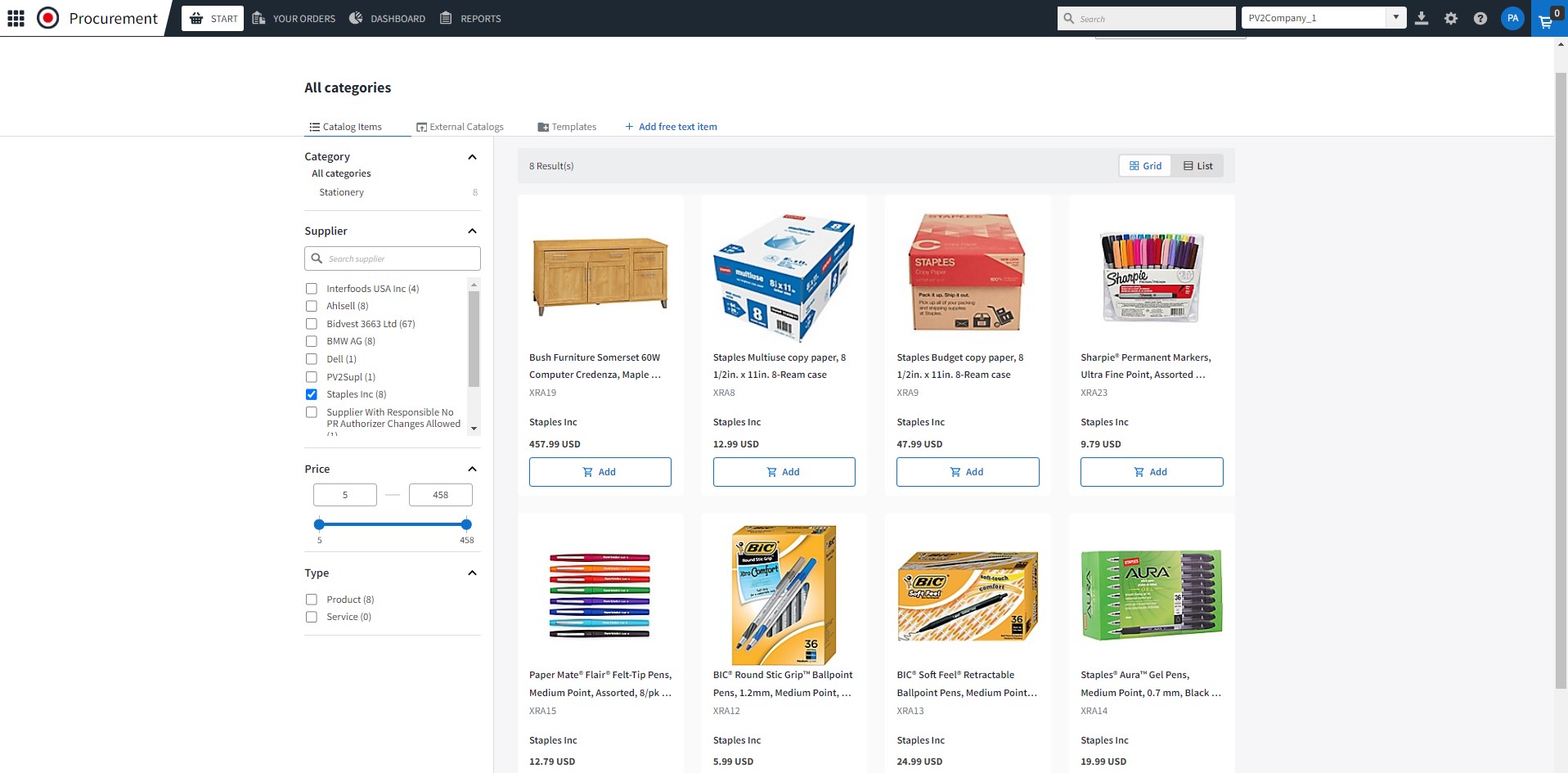
The disconnect comes when these systems are managed in isolation. Without intentional integration, data gets siloed. Approvals are delayed. Errors increase. The business ends up working harder to fix problems that should have been prevented through better system design.
Two approaches: separate systems vs. integrated platforms
Enterprises typically follow one of two models when designing their finance tech stack: separation of platforms or intentional integration. Each approach offers trade-offs in control, complexity, and visibility.
The separate systems model
In this approach, AP and procurement maintain full autonomy. Each team uses its own tools, processes, and workflows. This can simplify operations within each department and clarify ownership of tasks.
However, this model creates silos. Without shared data and workflows, it becomes harder to match invoices to POs, manage contract compliance, or gain accurate visibility into committed versus actual spend. Teams may duplicate effort, and finance leaders may lose sight of the big picture.
The integrated model
The integrated approach connects procurement and AP systems to share key data and align workflows. This creates consistency and reduces manual intervention.
When integrated correctly, these platforms support automated invoice matching, real-time exception handling, and unified analytics. Teams spend less time chasing down discrepancies and more time managing spend proactively.
Where integration matters most
Not every function needs to be connected. But some areas benefit significantly from AP and procurement integration. These are the workflows where upstream and downstream activities intersect.
Invoice matching
Integrated systems support three-way matching between purchase orders, goods receipts, and invoices. This improves accuracy and speeds processing.
Contract compliance
When contract data is shared across systems, AP can automatically validate pricing and terms before approving payment.
Spend visibility
By connecting procurement commitments and AP transactions, finance teams gain a holistic view of all spend across the organization.
Exception handling
Shared workflows make it easier to resolve issues quickly. When both teams access the same data, collaboration improves and delays are reduced.
Integrated data brings AP and procurement a sigh of relief
When spend data lives across disconnected systems, reporting falls short. This guide shows how AI-driven automation transforms AP into a single, reliable source of truth, giving both AP and procurement teams clearer visibility, more accurate reporting, and insights they can actually act on.

Where separation still supports control
While integration is important, maintaining clear separation of duties is just as critical. Some functions are best handled independently to preserve control, accountability, and compliance.
- Financial auditability: AP should be the system of record for all payments. This ensures accurate reporting and a complete audit trail.
- Segregation of duties: Risk controls depend on having clear boundaries between those who initiate spending and those who approve and execute payments.
- Process specialization: Procurement excels in supplier relationship management. AP focuses on payment validation and compliance. Keeping these workflows distinct avoids process bloat and role confusion.
Medius’s approach: Purposeful integration anchored in AP
Medius supports integration between AP and procurement, but with a focus on clarity and control. Rather than forcing convergence, the platform allows teams to work together while maintaining distinct roles.
AP‑led automation solution ensures that AP remains the financial source of truth. Procurement data, such as POs and contracts, can be pulled into Medius to support matching and compliance. This creates a collaborative, audit-friendly environment without disrupting core responsibilities.
Medius is built to scale across entities, regions, and ERP environments. This flexibility helps organizations standardize AP operations while still supporting procurement strategies tailored to local markets or business units.

An integrated approach you can trust.
When it comes to automating your finance operations, choosing the right technology partner matters. Spend Matters ranks Medius as a Value Leader in Procure-to-Pay, outperforming the pack in both functionality and customer satisfaction. Make your next move with a proven category leader.
What to look for in a purposefully integrated AP platform
A successful integration strategy starts with the right tools. Not all AP platforms support seamless or scalable collaboration with procurement systems.
Finance leaders should look for:
Support for procurement data
The ability to process purchase orders, receipts, and contract terms from procurement platforms.
Role-based workflow management
Workflows that respect the separation of responsibilities across teams.
Real-time analytics
Combined reporting across procurement and AP functions to track spend commitments and payments.
ERP and procurement system integration
Flexible APIs and integration support that work across complex tech environments.
A smarter way to integrate AP and procurement
Bringing AP and procurement systems together doesn’t mean combining them into one tool. It means building smart connections, defining clear responsibilities, and allowing each function to play to its strengths.
With Medius, organizations can integrate without adding complexity. Finance gains real-time visibility and audit-ready data. Procurement continues to manage vendor relationships and sourcing with agility. The result is a stronger, more transparent finance architecture that scales with the business.
Frequently asked questions
Each team supports different goals. Procurement is focused on sourcing and negotiation. AP is built for accuracy, compliance, and financial reporting. A single system often lacks the depth both teams need.
It connects procurement data directly to AP workflows. This enables automatic validation of invoices against POs and receipts, reducing exceptions and manual work.
Yes. Medius is designed to integrate easily with leading procurement platforms and ERP systems. This helps your teams collaborate without needing to replace existing tools.
Procurement owns contract negotiation and supplier relationships. AP is responsible for enforcing contract terms during payment. Integrated systems ensure both teams work from the same data.
It improves it by ensuring consistent data across platforms. Integrated systems create clear approval trails, reduce exceptions, and help auditors verify transactions quickly.


