How food and beverage organizations modernize procurement and spend
- Introduction
- How food and beverage procurement has evolved
- Why traditional purchasing methods fall short
- What modern food and beverage procurement requires
- Connecting procurement to accounts payable
- From visibility to smarter spend decisions
- The compliance and audit advantage
- How Medius supports modern food and beverage procurement
- Procurement as a strategic capability
Hear what's covered in this article:
Food and beverage organizations operate in one of the most dynamic procurement environments today. Ingredient prices fluctuate, supplier availability shifts with seasons and global events, and margins remain under constant pressure. Procurement teams must support kitchens, plants, and distribution networks that rely on speed and reliability, while finance leaders expect clearer insight into how money is being spent across the business.
Despite these demands, many food and beverage organizations still rely on outdated purchasing practices. Orders placed through email, spreadsheets, or disconnected tools may get products through the door, but they limit visibility, create inconsistency, and introduce risk as operations scale.
Modern procurement technology is changing how food and beverage organizations approach spend. Instead of focusing solely on ordering, today’s platforms connect purchasing activity to finance, analytics, and compliance, helping organizations turn everyday spend into actionable insight.
How food and beverage procurement has evolved
Historically, procurement in food and beverage was primarily operational. The priority was simple: get the right ingredients to the right place on time. Speed often mattered more than structure, especially in hospitality and multi-location environments where purchasing decisions were made close to the kitchen or plant floor.

As organizations expanded, this approach began to show its limits. Disconnected purchasing created fragmented spend data, inconsistent pricing, and manual approval processes that slowed finance teams down. What worked at a small scale became difficult to manage across dozens or hundreds of locations.
Today, procurement plays a much broader role. It directly affects cost management, supplier reliability, cash flow, and compliance. Modern food and beverage organizations need purchasing processes that support operations while also providing leadership with confidence and control.
Why traditional purchasing methods fall short
Manual or lightly digitized purchasing processes struggle to keep up with today’s complexity. When orders are placed through email or ad hoc tools, spend data is scattered across systems and inboxes. Finance teams are left piecing together information after the fact, often during month-end close or audit preparation.
Limited controls also create downstream issues. Without standardized approval workflows and supplier governance, organizations are more exposed to pricing discrepancies, maverick spend, and invoice mismatches. These issues slow down accounts payable, increase exceptions, and add friction between procurement and finance.
The challenge is not speed alone. It is the lack of connection between purchasing, spend visibility, and financial processes.

High impact doesn’t have to mean high effort
Modernizing procurement doesn’t require a massive transformation. With the right tools, food and beverage teams can start improving visibility, compliance, and efficiency faster and with less disruption than expected.
What modern food and beverage procurement requires
Modern procurement platforms are designed to support both frontline teams and finance leaders. Buyer-side controls are no longer the answer, but neither is unstructured flexibility. The goal is balance.
Procurement systems must make ordering intuitive for buyers and operators through catalog-based purchasing and approved supplier pricing. At the same time, they need to embed policies and approvals that reflect organizational rules without creating bottlenecks.

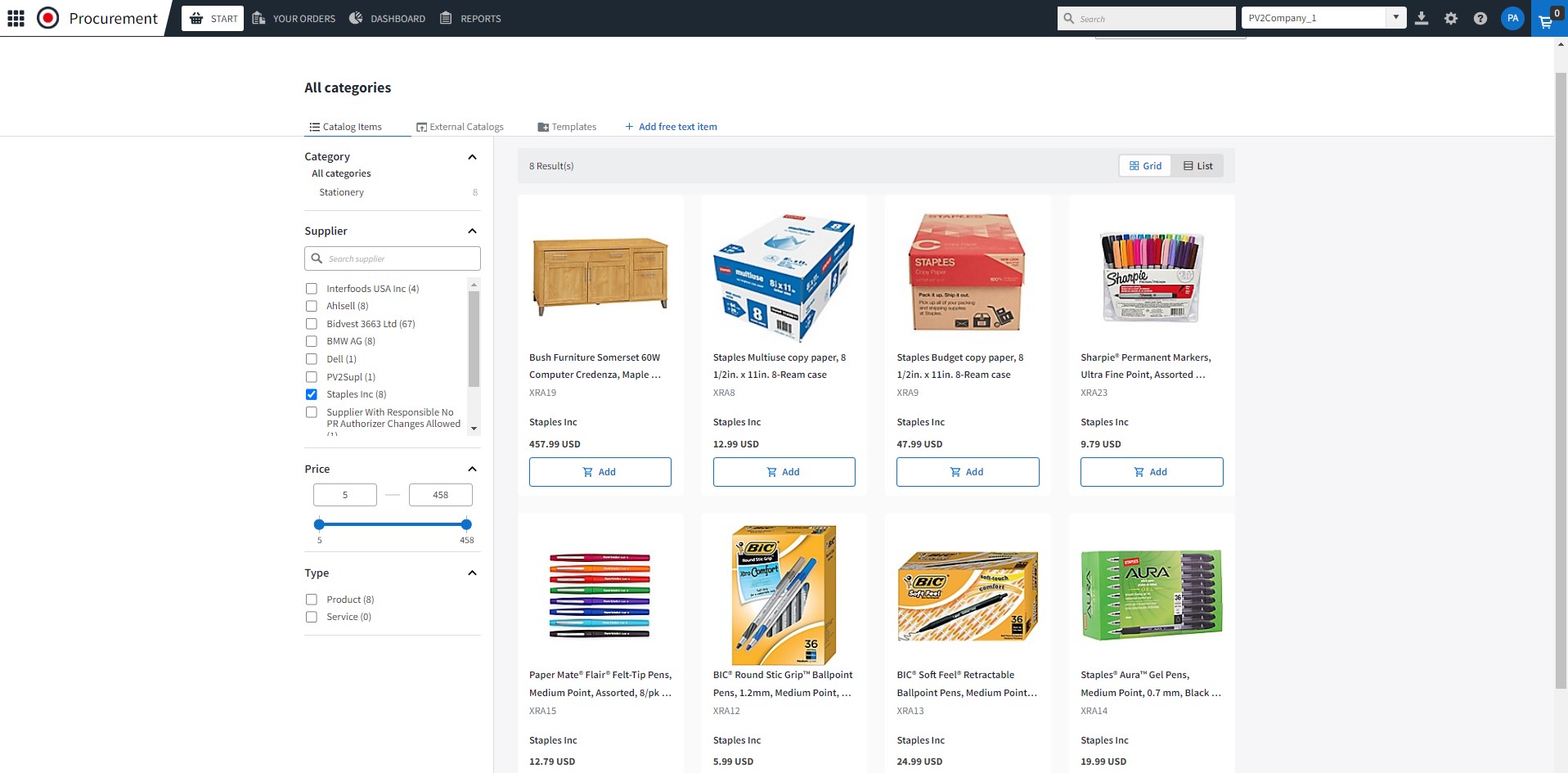
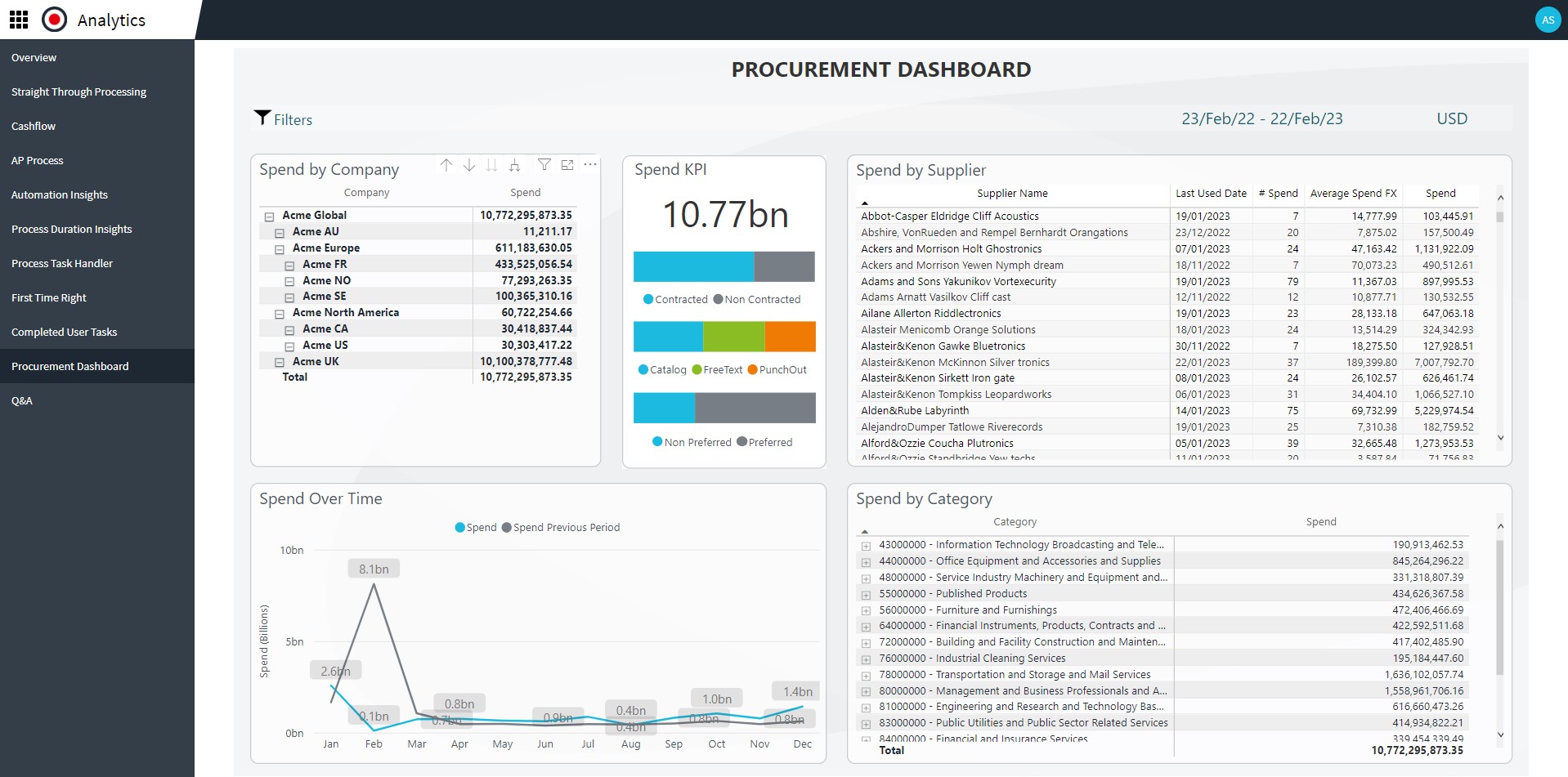
Just as important is real-time visibility. Instead of relying on retrospective reports, procurement and finance leaders need to see spend patterns as they develop. This allows organizations to respond quickly to cost changes, supplier disruptions, or budget pressure.

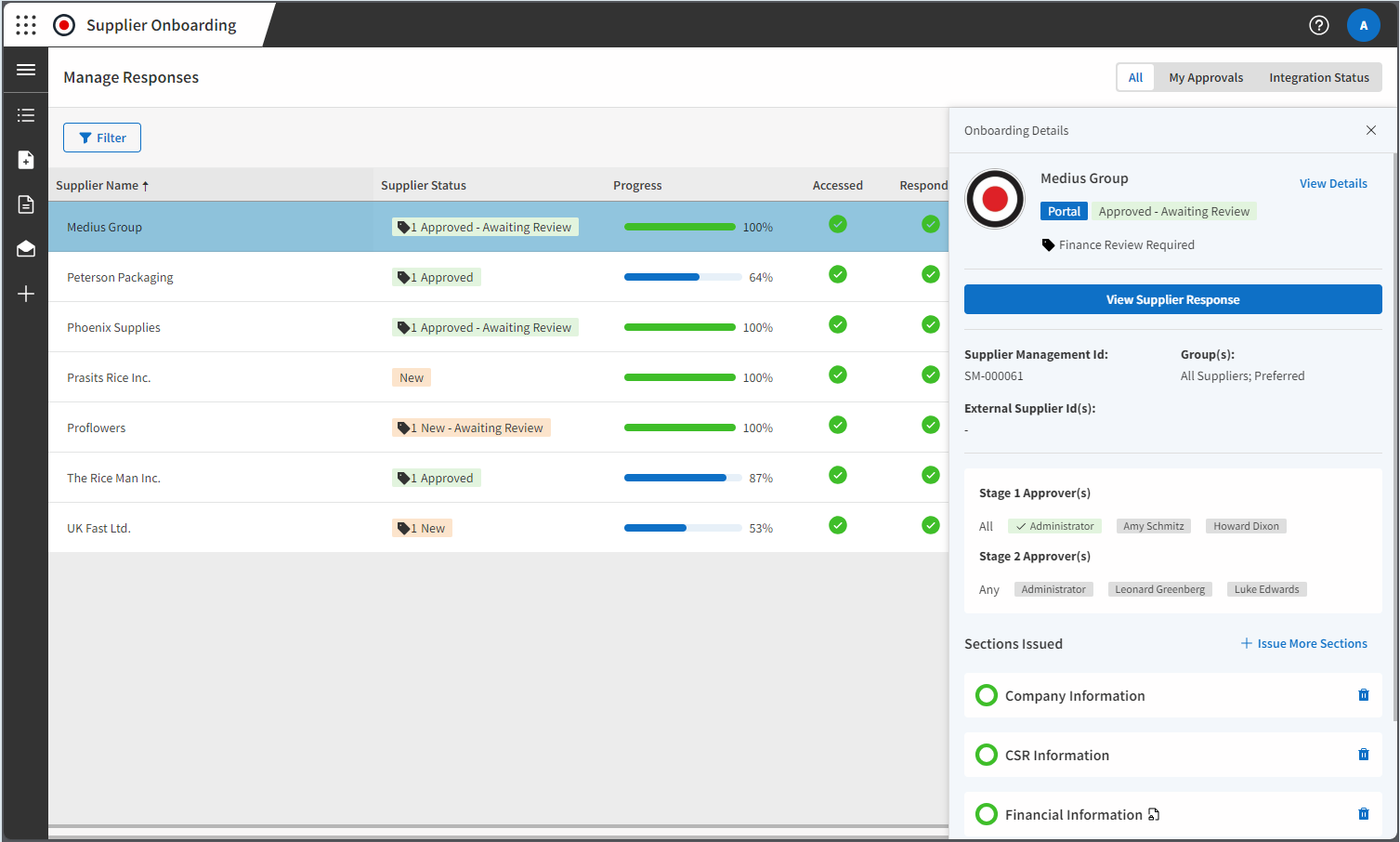
Supplier governance is another critical element. Centralizing how suppliers are approved, managed, and used improves consistency while reducing risk. When supplier data and purchasing activity live in the same system, organizations gain a clearer picture of who they are doing business with and under what terms.

Connecting procurement to accounts payable
The real value of modern procurement emerges when it connects seamlessly to accounts payable. Purchasing data provides the foundation for accurate, efficient invoice processing.
When procurement and AP are aligned, invoices can be matched automatically to purchase orders, discrepancies are identified earlier, and manual reconciliation is reduced. This shortens invoice cycle times and improves payment accuracy without increasing workload for AP teams.
For finance leaders, this connection improves cash flow predictability and reduces the operational noise that often surrounds invoice processing. Procurement stops being a standalone activity and becomes part of a cohesive spend lifecycle.
How Bolletje transformed spend management

Manual processes slow food and beverage teams down. See how Bolletje gained greater efficiency, improved financial control, and freed up time for higher-value work by modernizing how spend is managed across the business.
From visibility to smarter spend decisions
Modern procurement platforms do more than capture transactions. They generate insight.
With analytics built into the purchasing and AP process, organizations can move beyond basic reporting. Leaders can analyze spend across locations, suppliers, and categories, identify cost-saving opportunities, and monitor compliance with negotiated pricing or contracts.
This shift allows procurement and finance teams to be proactive rather than reactive. Decisions are informed by real purchasing behavior instead of assumptions or delayed data.
The compliance and audit advantage
In food and beverage organizations, procurement plays a quiet but critical role in compliance. Regulatory requirements, supplier audits, and financial controls all depend on accurate, traceable purchasing records.
Modern procurement systems support audit readiness by design. Every order, approval, and change is logged digitally, creating a clear audit trail without additional effort. Policies are applied consistently across locations, reducing the risk of gaps caused by local workarounds.

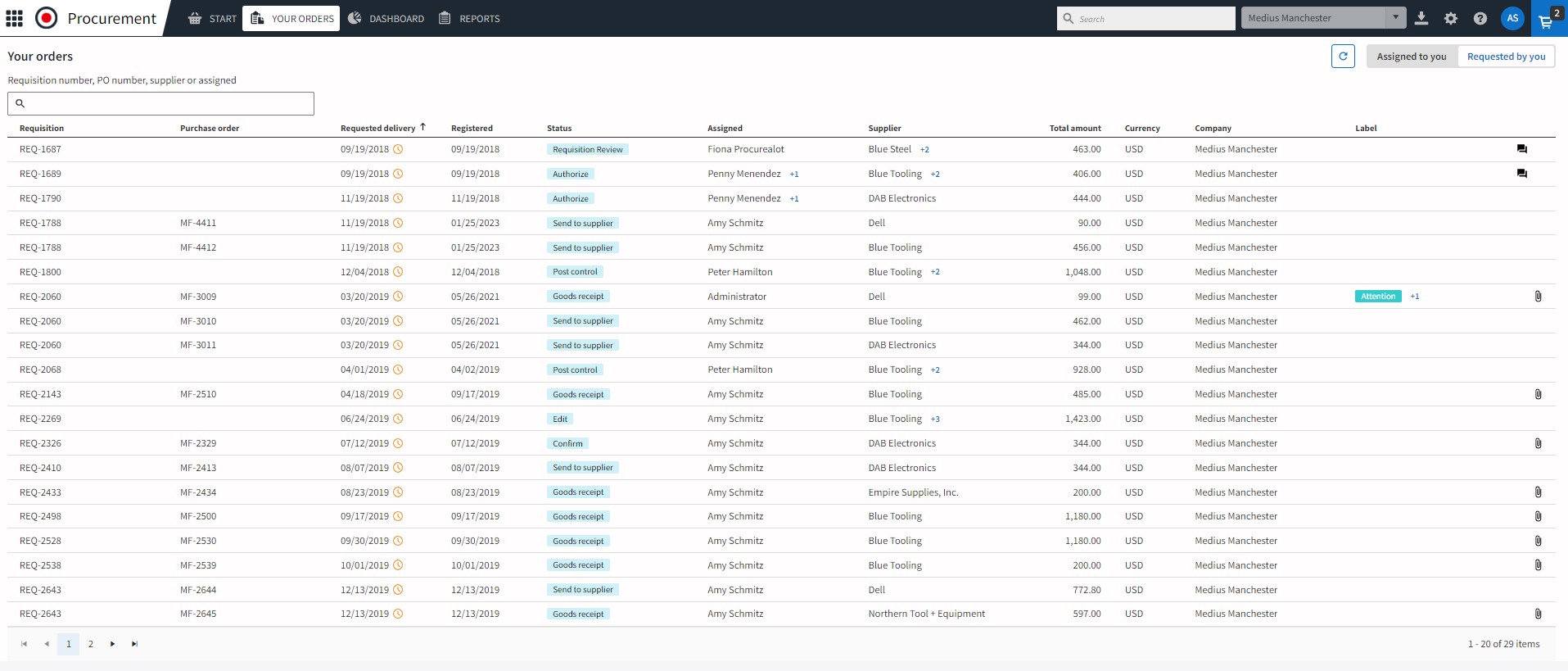
When procurement data flows directly into AP and reporting systems, audits become faster and less disruptive. Teams spend less time searching for documentation and more time addressing root causes and improvements.
How Medius supports modern food and beverage procurement
Medius helps food and beverage organizations modernize procurement as part of a broader spend management strategy. By connecting purchasing, accounts payable, analytics, and controls, Medius enables organizations to streamline ordering while gaining the visibility and insight finance leaders need.
With experience across food and beverage, manufacturing, and multi-site operations, Medius supports procurement teams without slowing down operations. The result is better spend insight, stronger supplier governance, and a procurement process that scales with the business.

Procurement as a strategic capability
Food and beverage procurement has moved beyond basic ordering. Today, it is a strategic capability that influences cost, resilience, and financial performance.
Organizations that modernize procurement technology can turn everyday purchasing activity into a source of insight and control. By connecting spend to finance and analytics, they gain the flexibility to operate in volatile markets while maintaining confidence in how money moves through the organization.
Medius AP automation helps food & beverage companies handle high invoice volumes, improve accuracy, and free up staff for growth and innovation.


