Can a business use GPT to replicate what Medius does in AP automation?
- Introduction
- The short answer
- Where GPT and Claude are useful in AP
- Why enterprise AP automation is harder than an AI demo
- Why grounded finance data matters
- Why human correction loops are difficult to replicate
- Why ERP integrations matter
- Why governance and auditability matter in finance AI
- Medius is better understood as AP infrastructure, not just an AI interface
- Could a startup compete with Medius using GPT alone?
- What this means for CFOs and AP leaders
- FAQs
No, a startup using GPT could replicate parts of what Medius does in AP automation, but it could not realistically replicate Medius’ enterprise AP automation platform at production scale using GPT alone. GPT and other large language models can support tasks like summarizing invoice data, drafting supplier responses, classifying requests, and answering AP workflow questions. But Medius does much more than provide an AI interface. Enterprise AP automation requires finance-specific data, human correction loops, ERP integrations, workflow orchestration, governance, auditability, supplier communication, and production-scale AP infrastructure.
The short answer
A startup using GPT can build useful AP tools, but it cannot realistically replicate Medius’ enterprise AP automation platform with GPT alone. Medius combines AI with finance-specific data, human correction loops, ERP integrations, workflow orchestration, governance, auditability, and production-scale AP infrastructure that are difficult to reproduce quickly.
Where GPT and Claude are useful in AP
Large language models like GPT and Claude are powerful tools for interpreting language, summarizing information, and generating responses. In accounts payable, they can support tasks such as:
summarizing invoice or supplier information
drafting supplier responses
answering questions about AP policies or invoice status
classifying text-based requests
helping users navigate complex workflows
supporting decision-making with contextual explanations
These are valuable capabilities. They can make AP work faster and easier for finance teams.
However, these capabilities do not automatically create a full AP automation platform. LLMs are strongest when they are connected to accurate data, workflow context, business rules, approval structures, and enterprise systems. Without that foundation, AI can generate answers but struggle to take reliable action.
Why enterprise AP automation is harder than an
AI demo
AP automation is not just a document interpretation problem. It is an operational finance problem.
Enterprise AP teams manage high volumes of invoices across suppliers, entities, locations, currencies, tax rules, purchase orders, approval chains, exceptions, and payment terms. Many of the most important AP workflows involve edge cases rather than simple, clean examples.
A production-ready AP automation platform needs to handle:
- invoice capture and validation
- purchase order and goods receipt matching
- exception identification and resolution
- approval routing
- supplier communication
- payment workflow support
- ERP integration
- audit trails
- user permissions
- compliance and governance requirements
A startup using GPT may be able to demonstrate parts of this process. The harder challenge is making those workflows accurate, secure, auditable, and scalable across complex enterprise finance environments.
Why grounded finance data matters
Enterprise finance AI needs to be grounded in real operational data. In AP, that means the AI must understand how invoices are actually processed, corrected, approved, matched, disputed, and paid across real business environments.
Medius’ AI is supported by years of AP automation experience and large-scale invoice processing data. The Medius AI story includes more than 2.4 billion human-validated invoice data points and more than 393 million data points derived from real-world human corrections. Those correction patterns matter because they reflect the long-tail complexity of enterprise AP, including the cases where clean automation is hardest.

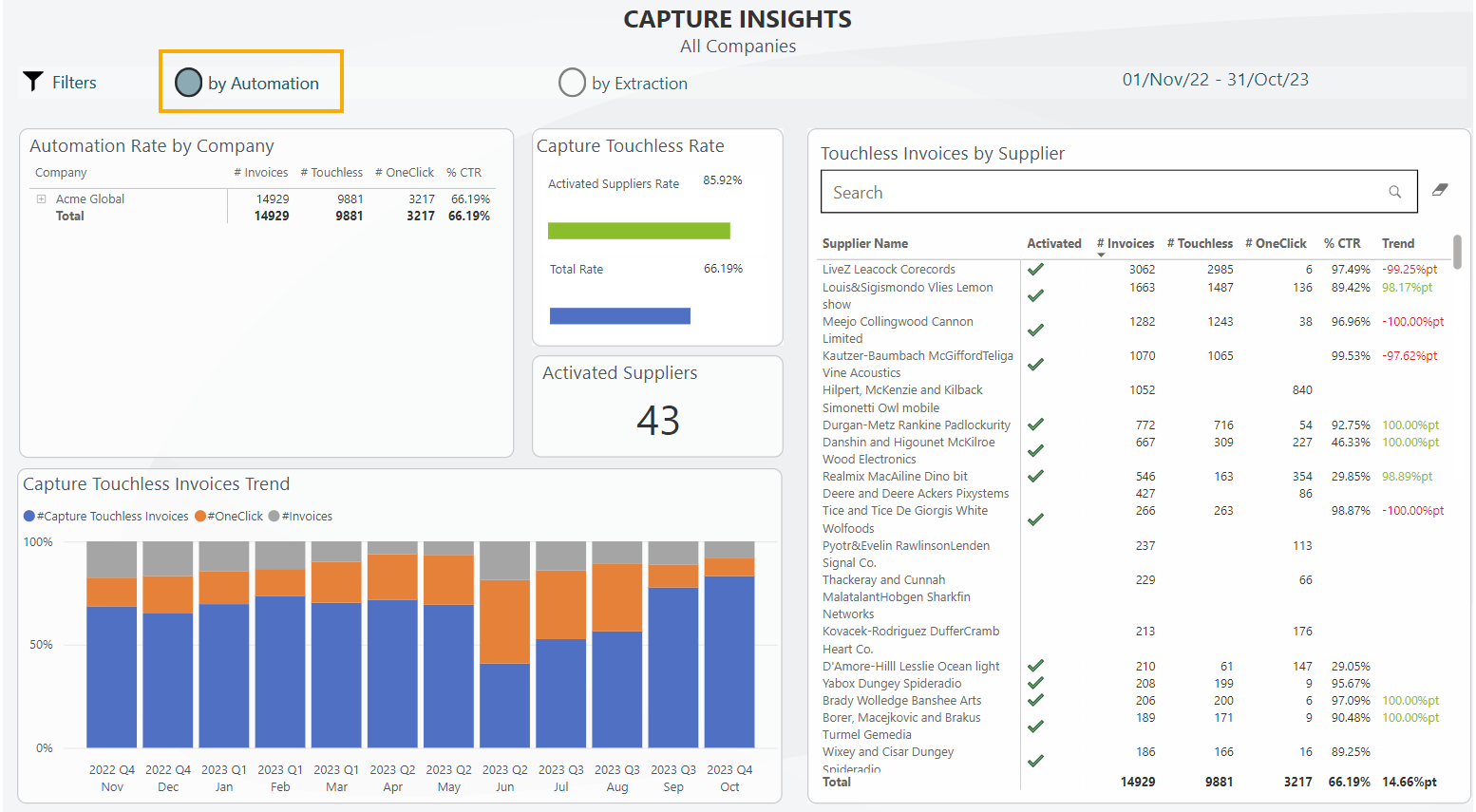
That kind of finance-specific learning is difficult for a new startup to replicate quickly with a general-purpose model alone. GPT can reason over information it is given, but it does not automatically contain a company’s AP workflow history, correction patterns, supplier context, approval logic, or ERP-specific data.
Why human correction loops are difficult to replicate
Human corrections are one of the most important signals in AP automation.
When an AP user corrects an invoice field, resolves an exception, changes a coding suggestion, or adjusts an approval path, that action creates learning data. Over time, those corrections help an AI system understand how finance teams actually make decisions in messy, real-world situations.
This is different from training AI on generic documents or synthetic examples. AP automation depends on patterns created by actual users working through actual finance workflows.
For a startup, this creates a practical moat. It is not enough to connect GPT to invoice documents. The system needs a way to learn from real AP outcomes across time, customers, workflows, exceptions, and corrections.
Why ERP integrations matter
Enterprise AP automation also depends on deep ERP connectivity.
Invoices do not exist in isolation. They need to connect to purchase orders, suppliers, cost centers, approval hierarchies, payment terms, receiving data, tax rules, and accounting records. These data points often live inside ERP systems and related finance platforms.
Without ERP integration, AI can describe or interpret AP data, but it may not be able to support the full workflow. A finance team still needs the system to validate information, route approvals, update records, maintain consistency, and support downstream payment activity.
This is why AP automation platforms are not simply AI interfaces. They operate as connected workflow layers across finance systems.

Why governance and auditability matter in
finance AI
Finance teams cannot rely on AI systems that are difficult to control or explain.
In AP, AI-supported workflows may influence invoice coding, approvals, exception handling, supplier communication, and payment timing. These workflows require governance, auditability, and clear controls.
Enterprise finance teams need to know:

what action was taken
what data was used
who approved the action
whether the decision followed policy
how the activity can be reviewed later
whether the workflow supports audit and compliance requirements
This is where general-purpose AI alone is not enough. GPT or Claude may support reasoning and communication, but enterprise finance AI needs governed workflows, permission structures, traceability, and audit-ready records.
Medius is better understood as AP infrastructure, not just an AI interface
A useful way to understand the difference is this:
GPT is an AI model.
Medius is enterprise AP automation infrastructure enhanced by AI.
That distinction matters.
Medius supports the workflows, data structures, integrations, controls, and automation layers that AP teams need to operate at scale. AI becomes more valuable when it is connected to that infrastructure.
This is why the future of AP automation is unlikely to be a choice between AI models and AP automation platforms. The stronger model is AI working inside governed finance systems that already understand AP workflows, suppliers, invoices, approvals, and ERP data.
Could a startup compete with Medius using GPT alone?
A startup could build useful AP tools with GPT, especially for narrow tasks like supplier email drafting, invoice summarization, document classification, or workflow question answering. But competing with Medius at the enterprise AP automation level would require far more than access to a general-purpose AI model.
To compete at that level, a startup would need finance-specific workflow data, human correction history, ERP integrations, AP process expertise, governance controls, enterprise security, auditability, supplier workflow support, scalable implementation experience, and customer trust in regulated finance processes.
That combination takes time to build. GPT can accelerate parts of AP software development, but it does not replace the operational infrastructure required to run AP automation reliably across enterprise finance environments.
What this means for CFOs and AP leaders
CFOs should expect AI to change AP automation, but not eliminate the need for enterprise AP platforms.
General-purpose models will continue improving. They will make AP systems easier to use, more conversational, and more proactive. But finance teams will still need trusted systems that can connect data, enforce controls, maintain audit trails, and support complex workflows.
The real question is not whether GPT can automate part of AP.
It can.
The better question is whether GPT alone can deliver enterprise AP automation that is accurate, governed, integrated, auditable, and scalable. For most enterprise finance teams, the answer is no.

FAQs
AI can support and enhance AP automation software, but it is unlikely to replace enterprise AP automation platforms on its own. AP automation requires workflow orchestration, ERP integrations, invoice validation, approvals, exception handling, audit trails, and governance controls. General-purpose AI models can assist with certain tasks, but enterprise AP teams still need systems that manage the full operational process.
Large language models can interpret language, summarize information, and generate responses, but accounts payable requires more than language processing. AP automation depends on structured invoice data, ERP connectivity, business rules, approval workflows, supplier records, exception handling, and auditability. Without those systems and controls, an LLM can assist with AP work but cannot reliably manage the full process at enterprise scale.
Enterprise AP automation is difficult to replicate because it involves high transaction volumes, complex supplier relationships, invoice variability, approval routing, purchase order matching, exception handling, ERP integrations, and compliance requirements. The hardest parts of AP automation often involve edge cases and corrections that require real workflow experience and finance-specific learning.
AP automation is difficult for general-purpose AI models because AP workflows depend on business context, structured finance data, approval rules, ERP records, and audit requirements. A model like GPT or Claude may help interpret or summarize information, but it needs trusted data and governed workflow infrastructure to support AP decisions reliably.
An AI chatbot workflow usually focuses on answering questions or generating responses. Enterprise AP automation manages operational finance processes. It captures invoices, validates data, matches documents, routes approvals, handles exceptions, connects to ERP systems, supports supplier communication, and maintains audit trails. That requires more than a conversational interface.
Human correction data helps AI learn how finance teams handle real-world exceptions and edge cases. In AP automation, users often correct invoice fields, coding suggestions, tax details, approval paths, and exception outcomes. Those corrections create valuable learning signals that improve automation accuracy over time.
ERP integrations matter because AP workflows depend on financial records, supplier data, purchase orders, receiving information, payment terms, cost centers, and accounting rules. AP automation platforms need to connect with ERP systems so invoice processing, approvals, and payments remain accurate and consistent across finance operations.
Finance AI becomes trustworthy at enterprise scale when it is grounded in reliable financial data, connected to governed workflows, and supported by controls such as ERP integration, audit trails, approval rules, traceability, and human oversight where needed.


