Purchase-to-Pay (P2P) process explained
Senior Manager Content Marketing at Medius
- Introduction
- What is Purchase-to-Pay?
- Understanding the Purchase-to-Pay (P2P) process
- What is a 3-way match?
- How modern P2P systems improve accuracy and efficiency
- What should you consider before implementing a P2P system?
- The complexity of modern P2P in enterprise-level businesses
- The importance of order confirmation and delivery notification
- Digital transformation in procurement
- How AI Improves the Purchase-to-Pay Process
- Integration with key ERP platforms
- Best practices for modern P2P systems
- Wrapping up the Purchase-to-Pay journey
- Discover Medius's expertise in Purchase-to-Pay
- Purchase-to-Pay (P2P) FAQs
Hear what's covered in this article:
In today's dynamic business landscape, understanding and optimizing the Purchase-to-Pay (P2P) process is the end-to-end workflow that connects procurement with accounts payable. From identifying a business need to issuing payment to suppliers, a well-optimized P2P system streamlines purchasing, enforces compliance, and improves spend visibility.
In today’s fast-paced, digitally driven economy, modern businesses can no longer afford slow approvals, disconnected systems, or manual invoice processing. This guide explores how P2P automation, especially with AI and touchless processing, helps organizations like yours reduce errors, eliminate exceptions, and unify procurement and finance workflows in one intelligent platform.
What is Purchase-to-Pay?
Purchase-to-Pay (P2P), also referred to as Procure to Pay, is the full process of buying goods and services and paying suppliers. It starts with identifying a need and ends with invoice approval and payment. The process typically includes requisitioning, sourcing, purchase order creation, receiving, and accounts payable workflows like invoice matching and payment processing.
An automated P2P system connects procurement and finance teams using digital workflows. Instead of managing approvals or supplier communication manually, a modern P2P platform uses AI to streamline the process, reduce errors, and increase visibility into spend. When connected to an ERP, it becomes a central system of record for purchasing and payments.
Understanding the Purchase-to-Pay (P2P) process
The Purchase-to-Pay (P2P) process starts with requisitioning, advances through the procurement phase, and concludes with payment. Requisitioning involves the formal act of identifying a specific need for goods or services and documenting it. Procurement takes place when the desired goods or services are received and verified. The purchase-to-pay cycle finishes when the payment is issued to the supplier.
Here's a breakdown of the typical steps in the P2P cycle:
The cycle commences when a buyer identifies a requirement for specific goods or services. This could be based on inventory levels, project demands, or other organizational needs.
Once the need is established, the buyer validates the request with potential suppliers. Suppliers, in turn, provide the buyer with detailed information on pricing, terms, and availability.
Based on the information from suppliers, the buyer raises a requisition for the desired goods or services. This requisition outlines the specifics of the order, such as quantity, delivery timelines, and other pertinent details.
Depending on the organizational structure and the value of the purchase, some requisitions might require managerial approval or budget allocation. This step ensures that expenditures align with the company's financial plans and policies.
Once the requisition receives the necessary approvals, a Purchase Order (PO) is generated and sent to the chosen supplier. The PO serves as a formal contract between the buyer and the supplier, detailing the terms of the purchase.
Upon receiving the PO, the supplier processes the order and ensures the timely delivery of the requested goods or services.
Typically, upon successful delivery, the buyer acknowledges the receipt of the order, ensuring that the delivered items match the specifications in the PO.
After the delivery confirmation, the supplier raises an invoice, referencing the PO number. This invoice provides a detailed breakdown of the goods or services provided, along with the associated costs.
Before making the payment, the buyer validates a 3-way match, ensuring consistency between the PO, the delivered goods or services, and the invoice. Once this match is confirmed, the buyer processes the payment, completing the P2P cycle.
What is a 3-way match?
A 3-way match is a process used by the accounts payable or finance team when processing invoices received from suppliers. This is a great way for organizations to safeguard their assets, as it helps them to avoid fraudulent invoices or pay the incorrect amount. The AP team checks the following documents for a 3-way match:
- The invoice issued by the supplier
- Purchase order created by the buyer
- The goods receipt confirming delivery
If the quantity, unit price, and terms match across all three, the invoice is approved and sent for payment. In automated systems, this matching process is often handled with minimal manual intervention, speeding up approvals and improving compliance.

How modern P2P systems improve accuracy and efficiency
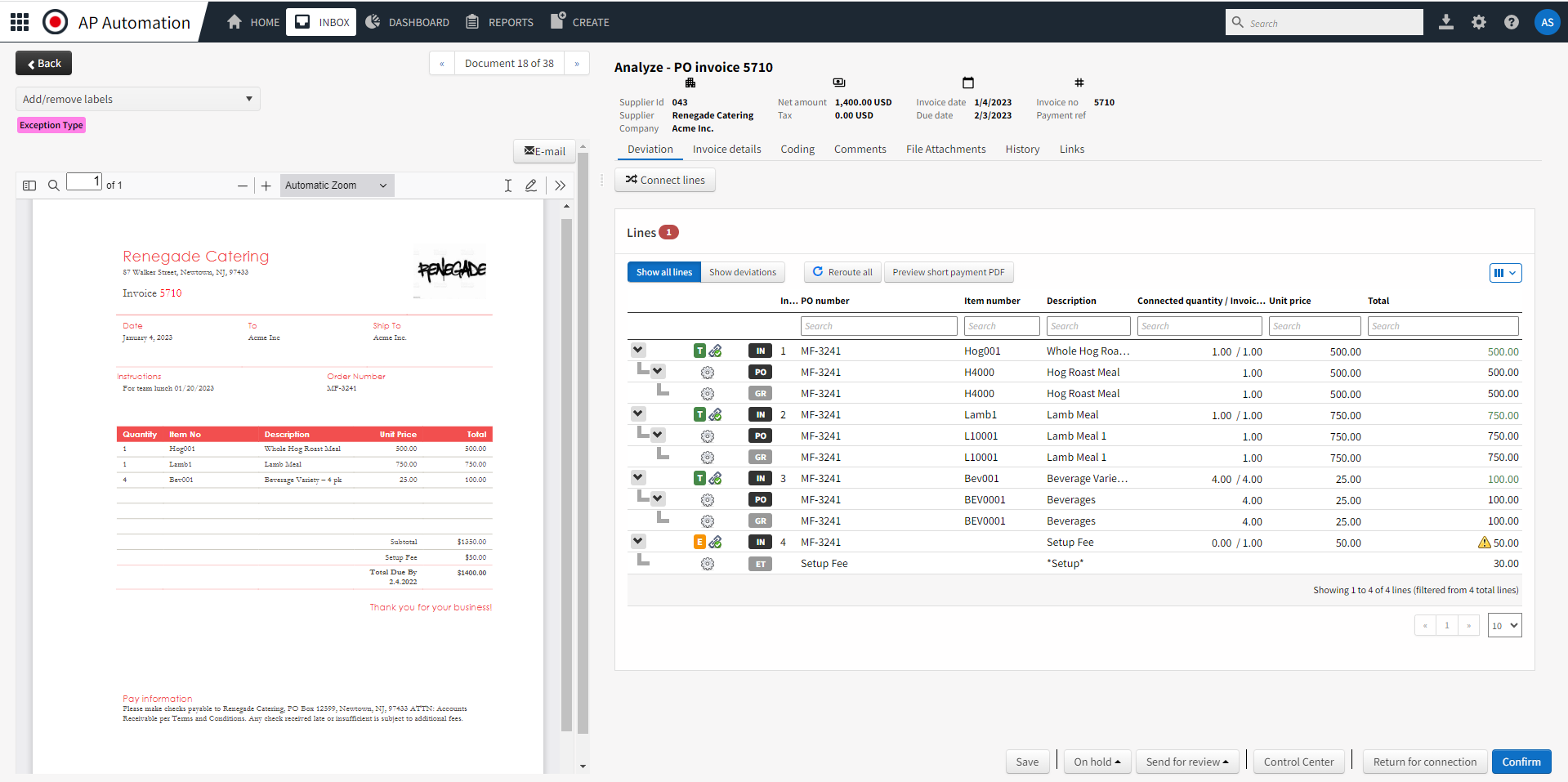
Modern Purchase-to-Pay (P2P) platforms automate every step of the procurement and payment cycle, from requisition and approval to invoice matching and payment processing. By eliminating manual tasks, these systems reduce errors, improve compliance, and accelerate approvals.
Instead of emailing purchase requests or waiting on manual sign-offs, automated workflows route approvals instantly to the right stakeholders. Built-in logic ensures that purchase orders and receipts align with internal policies before reaching suppliers.
Advanced P2P systems also manage the 3-way match automatically, flagging any discrepancies in real time. This hands-free process reduces the need for manual reviews while improving invoice accuracy.
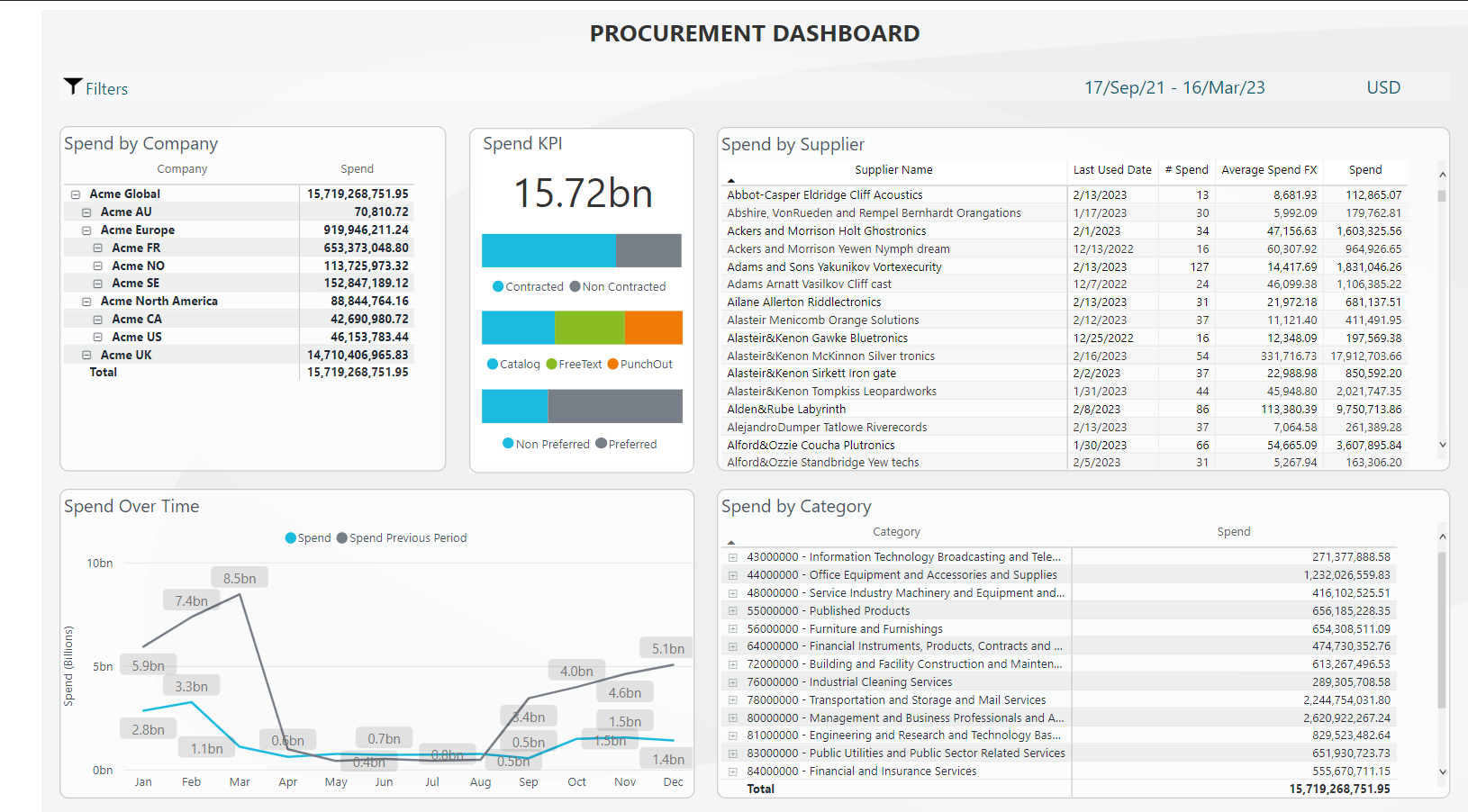
P2P automation also supports spend control by guiding employees to purchase from approved suppliers and catalogs. This reduces maverick spend and ensures all purchases align with contract terms and budgets.
Organizations that implement P2P automation free up resources to focus on strategic supplier management and financial planning.
What should you consider before implementing a P2P system?
Implementing a Purchase-to-Pay system is a strategic investment that impacts procurement, finance, and IT. To ensure a smooth rollout and long-term success, it’s important to plan for more than just the software.
Initial investment
While there's an upfront cost, the return on investment can be realized quickly with the efficiencies a P2P system brings.
Stakeholder discussions
Engage different stakeholders within the organization to gather insights and address concerns about the P2P system.
Training and resources
Allocate time for training sessions, provide user materials, and establish internal communication programs to ensure smooth adoption.
Detailed project planning
Dedicate time and resources to create a comprehensive project plan. This will ensure successful implementation and high user adoption rates.
At this point, you probably won’t be surprised to hear that we have an eProcurement system that encompasses all of these considerations.
The complexity of modern P2P in enterprise-level businesses
As businesses grow, the intricacies of the p2p process become more evident. Gone are the days of simple paper-based workflows. With the rise of digital transformation, companies are now leveraging technologies like AI and automation to streamline and optimize the steps of the Purchase-to-Pay process.


The importance of order confirmation and delivery notification
Effective communication with vendors about stock levels and turnaround times is crucial. Confirming orders and acknowledging deliveries not only ensures smooth operations but also strengthens the p2p cycle, reducing potential discrepancies and disputes.
Digital transformation in procurement
Relying on outdated procurement solutions can be a bottleneck for many businesses. Embracing digital solutions, especially p2p process automation, can lead to significant efficiency gains. Recent statistics show a growing trend towards the digitalization of the Purchase-to-Pay process, with many companies reporting cost savings and improved vendor relationships.

How AI Improves the Purchase-to-Pay Process
AI has become a key part of how leading businesses manage the P2P process. It helps teams reduce errors, speed up invoice approvals, and handle exceptions without relying on manual reviews.
In a typical P2P cycle, delays often happen when invoices don’t match purchase orders or receipts. AI can identify those mismatches early and resolve them using past approval patterns, predefined thresholds, or routing logic. This removes bottlenecks and keeps the process moving without interruptions.
AI also strengthens compliance and control by highlighting unusual patterns in supplier behavior, invoice amounts, or approval activity. This helps prevent fraud and ensures purchases stay within policy.
As invoice volume grows, AI systems learn from past data and improve over time. This allows businesses to scale P2P operations without adding more manual work. Teams spend less time on routine tasks and more time analyzing spend or improving supplier relationships.
Medius uses AI to automate matching, approvals, and exception handling across the P2P cycle. This increases visibility, lowers processing time, and reduces the need for manual intervention at every stage.
Integration with key ERP platforms
Integrating the P2P process with major ERP platforms is essential for achieving optimal efficiency and transparency. Medius recognizes this need and offers specialized solutions for various ERP systems. Here's a closer look at how Medius enhances the P2P process across different platforms:

SAP integration
Integrating the p2p process in SAP can significantly enhance the efficiency of the procurement cycle. Medius offers tailored solutions for SAP, ensuring seamless operations and real-time data access.

Microsoft Dynamics integration
Medius's solutions for Microsoft Dynamics bring out the best in the p2p process, offering streamlined workflows and enhanced reporting capabilities.

Oracle Netsuite integration
With Medius's integration solutions for Oracle Netsuite, businesses can experience a more transparent and efficient Purchase-to-Pay process, reducing manual interventions and errors.

Oracle JDE integration
Medius provides solutions tailored for Oracle JDE, ensuring that the p2p process is optimized for maximum efficiency and compliance.
Best practices for modern P2P systems
Single point of contact for vendors
Designate a specific individual or team as the primary contact for vendors. This centralization ensures clear communication, reduces misunderstandings, and fosters stronger vendor relationships.
Simplify the procurement process
Streamline workflows and reduce unnecessary steps. A simplified process not only speeds up procurement but also reduces the chances of errors.
Ensure top management support
The success of any process change or implementation often hinges on the support from top management. Their buy-in can facilitate smoother transitions, allocate necessary resources, and drive organizational alignment.
Regularly review the P2P process
The business environment is ever-evolving. Regular reviews ensure that your P2P process remains relevant, efficient, and aligned with the company's goals. This proactive approach can lead to continuous improvements and innovations.
Wrapping up the Purchase-to-Pay journey
In today’s fast-moving business environment, keeping your P2P process optimized is essential for cost control, efficiency, and compliance. Leading organizations are adopting automation, AI, and ERP-integrated platforms to transform procurement and accounts payable into a single, connected workflow.
Discover Medius's expertise in Purchase-to-Pay
Looking to optimize your Purchase-to-Pay process?
Medius delivers an end-to-end solution that automates every step, from sourcing and requisitioning to invoice approval and payment. With AI-driven exception handling, real-time reporting, and deep ERP integration, Medius helps you reduce errors, eliminate manual tasks, and take control of your spend.
See how Medius Procurement completes your Purchase to Pay strategy
Establishing a foundation for a solid P2P transformation might look simple enough on paper, but with a crowded market of providers and several starting points to consider, a costly misstep might put your innovation on hold for months or years. See why Medius procurement blends a strategic AP-first approach with best-in-class purchasing controls.

Purchase-to-Pay (P2P) FAQs
The purchase-to-pay (P2P) process is an integrated system that covers the entire procurement journey, from the initial requisitioning of goods or services to the final payment to the vendor
Procure-to-pay is another term for purchase-to-pay. It refers to the same process and emphasizes the procurement side of the workflow, including supplier selection and sourcing.
- Needs identification
- Supplier validation
- Requisitioning
- Approval and budget authorization
- Purchase order issuance
- Order fulfillment and delivery
- Delivery confirmation
- Invoicing
- 3-Way match and payment
Purchase to pay streamlines procurement operations, enhances financial controls, reduces errors, and can lead to cost savings and improved vendor relationships.
Common risks include manual errors, fraudulent activities, non-compliance with company policies or regulations, and miscommunication between departments or with vendors.
Key stakeholders include procurement teams, finance departments, approvers or managers, and vendors or suppliers.
Automation enhances efficiency, reduces manual errors, speeds up approval workflows, and provides real-time insights into procurement data.
AI helps resolve exceptions automatically, flags unusual activity, improves invoice matching, and learns from past data to reduce manual intervention over time.
Integration with ERP systems centralizes data, streamlines workflows, ensures real-time data access, and enhances overall procurement efficiency.
Best practices include regular process reviews, adopting automation, ensuring clear communication channels, and continuous training for staff.
Companies can reduce errors by adopting automation, implementing stringent approval workflows, regular audits, and training staff on best practices.
While P2P focuses on the procurement and payment processes, Source-to-Pay (S2P) encompasses a broader range, starting from sourcing suppliers to the final payment, including supplier management and contract management.


